A Guide To The Perfect Wedding Timeline | From a Surrey Wedding Photographer
One of the biggest factors that affects how your wedding photos look isn’t your venue, your dress, or even your photographer.
It’s your timeline.
A well-planned wedding photography timeline creates space for natural, candid moments. A rushed one creates pressure. And pressure always shows in photos.
As a Surrey wedding photographer, I’ve seen how the right structure makes a day feel effortless, and how the wrong one can make even the most beautiful venue feel stressful.
Most couples don’t realise this when planning. And that’s completely normal. You’ve likely never done this before.
Why Your Wedding Photography Timeline Matters More Than You Think
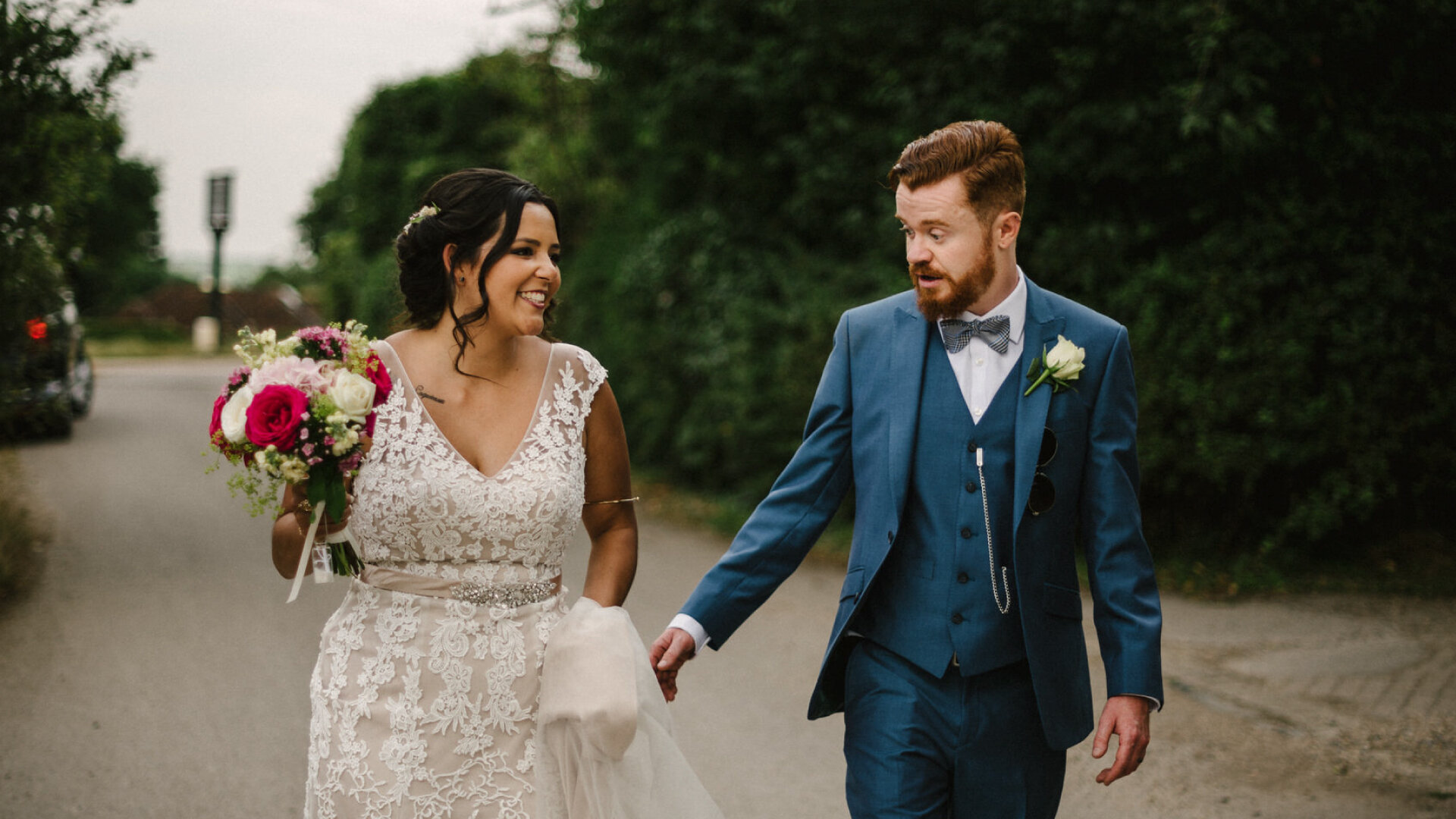
Your timeline quietly controls everything.
It determines:
Whether you feel relaxed or rushed
How natural your wedding photos look
How much time you actually spend with your guests
Whether moments unfold naturally
Candid wedding photography only works when there’s space for real interaction. If your day is tightly packed, those natural moments don’t get the chance to happen.
This is why timeline planning is such a big part of the wedding photography booking process.
What a Realistic Wedding Photography Timeline Looks Like
Every wedding is different, but most Surrey weddings follow a similar rhythm.
Morning preparations usually need around 60–90 minutes of relaxed coverage. Not because we’re constantly shooting, but because the atmosphere builds gradually.
The ceremony flows into drinks reception — and this is where some of the best candid wedding photography happens. Guests relax, hugs happen, laughter feels genuine.
Group photos rarely need more than 15–30 minutes if planned well. Couple portraits? Often just 10–15 minutes is enough.
The mistake couples make is assuming they need long blocks for everything.
You don’t.
You need breathing space between things.
Where Wedding Timelines Most Commonly Go Wrong
The issue usually isn’t photography. It’s compression.
I see it most often at larger Surrey wedding venues, where travel between spaces, guest numbers, and logistics naturally take longer.
Common timeline mistakes:
Trying to squeeze too much into a short coverage window
Scheduling too many group photo combinations
No buffer after the ceremony
Running late early in the day
When one section overruns, everything tightens. That’s when stress creeps in.
And when you feel stressed, your photos reflect it.
Why Rushing Creates Worse Wedding Photos
Natural wedding photography depends on emotion. Emotion depends on calm.
When you’re rushed:
You’re thinking about the next thing.
You’re aware of time.
You’re slightly tense.
When there’s space:
You forget about the camera.
You’re present with each other.
You enjoy what’s happening.
That’s when photos feel effortless.
If you're unsure whether candid coverage suits you, this guide to what candid wedding photography really means explains the difference clearly.
Why You Don’t Need Hours for Couple Portraits
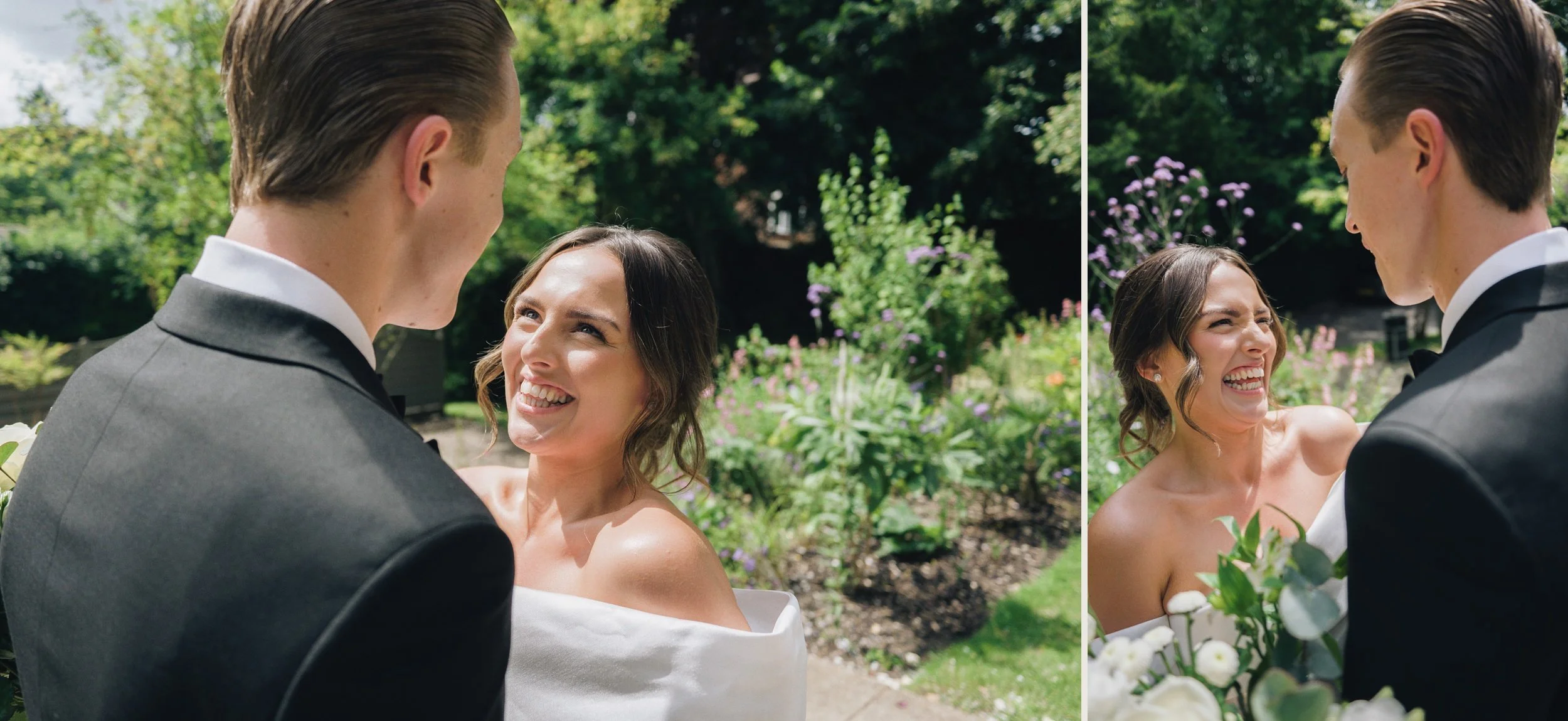
This surprises almost every couple I work with.
You don’t need an hour away from your guests.
In fact, the longer portraits go on, the more disconnected the day can feel.
Most couples only need 10–15 minutes. That way, you stay part of your wedding rather than disappearing from it.
The Best Wedding Photography Timelines Feel Effortless
The best timelines don’t feel like strict schedules.
They feel like flow.
You’re not constantly being moved from one thing to the next. There’s flexibility. There’s room for conversations. There’s time to breathe.
This is also why choosing the right wedding photography coverage length matters. Too little coverage forces compression. The right amount creates freedom.
Weddings rarely run perfectly on time — and they don’t need to. What matters is flexibility.
When your timeline has space, everything feels calmer. And calm always creates better photos.